Read Before You Book, Not After a Claim

Moving Insurance in Dubai: What Movers Actually Cover (And What You Need to Ask)

Most people book a mover, see the word "insured" somewhere on the website, and assume that settles it. It rarely does. What's actually covered, how much, and under what conditions varies more than most customers realize until something gets damaged and they're reading the policy for the first time.

★★★★★4.8/5 from thousands of verified reviews across the UAE

Quick Answer

Standard moving insurance in Dubai, usually called goods-in-transit cover, typically protects against damage caused during loading, transport, and unloading, but almost always excludes cash, jewelry, important documents, and pre-existing damage. Coverage is often capped per item unless you declare higher-value pieces in advance. The specifics vary genuinely between companies, so ask directly rather than assuming "insured" means comprehensive.

DED Trade License #1234567
Fully Insured
4.8★ Google Rating
15+ Years Across the UAE
Arabic & English Support
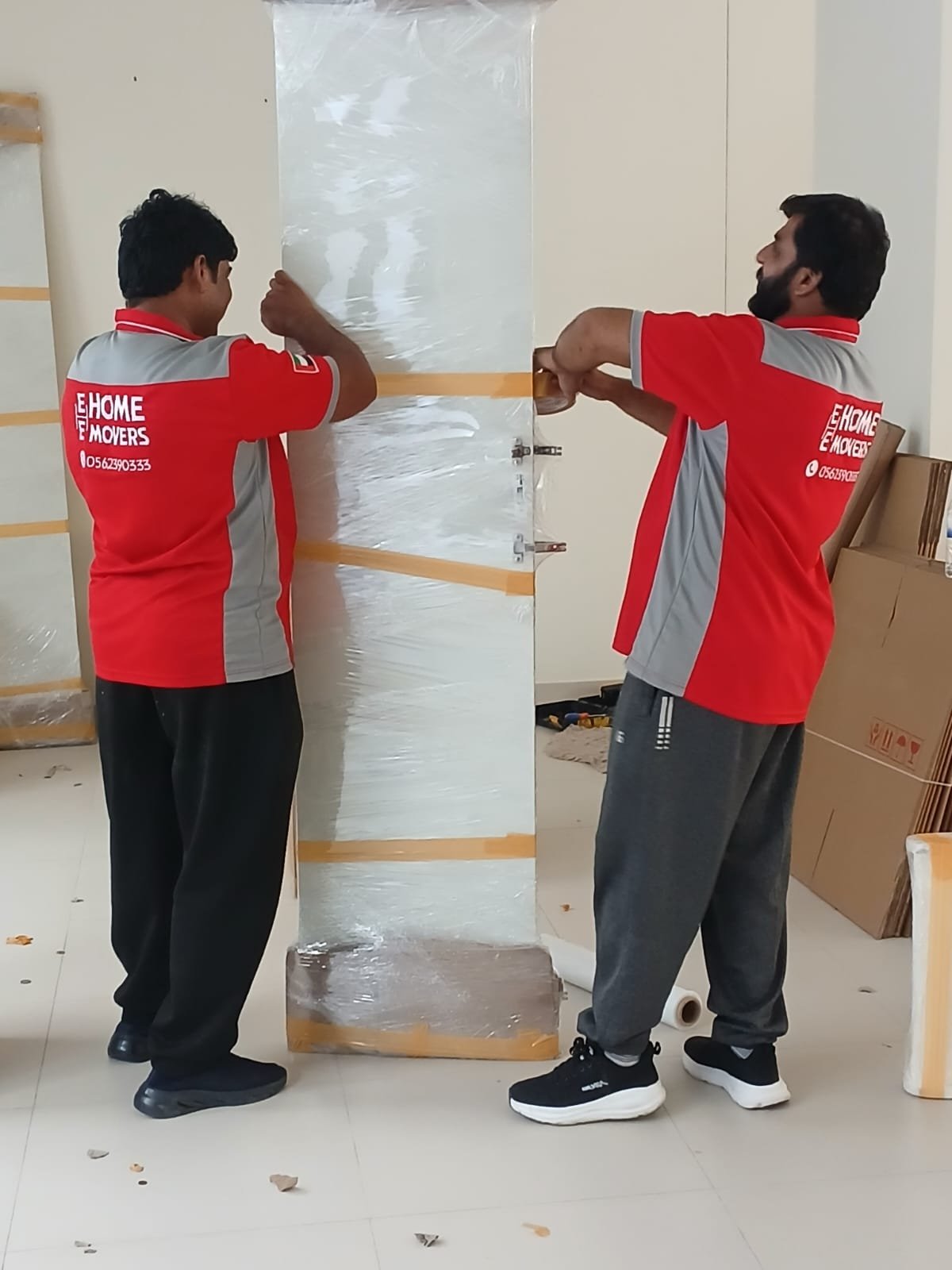
Furniture protected during a move in Dubai
"Insured" Isn't One ThingAsk What It Actually Means

The Word "Insured" Covers Two Genuinely Different Things

A moving company's general liability insurance protects the business itself, covering things like an employee getting injured on your property or accidental damage to the building during the move. This is separate from goods-in-transit cover, which protects your actual belongings while they're in the mover's care.

A company can be genuinely, fully insured in the business sense while still offering fairly limited cover for your furniture. This distinction matters whether you're booking a straightforward apartment move or something larger like a full villa move in Dubai with substantial furniture value, since the volume and value at risk is naturally higher.

What Standard Cover Usually Includes

Most reputable movers include a baseline level of protection for the physical move itself.

Damage During Loading and Transport

Accidental damage caused while items are being carried, loaded, or transported is the core of what standard goods-in-transit cover protects.

Items the Crew Packed Themselves

Damage to items packed by the moving crew is generally easier to attribute to the move and more straightforwardly covered than self-packed boxes.

Furniture Disassembly and Reassembly

Damage occurring during the disassembly or reassembly process the crew handles is typically included under the same standard cover.

Coverage during a move is one thing, but items sitting in storage between two addresses raise a separate question worth asking about. Our self storage Dubai service and how coverage applies while items are stored team can explain how protection typically differs between active transit and a storage period.

What Standard Cover Usually Excludes

A handful of exclusions come up consistently across the industry, and knowing them before moving day avoids an unpleasant surprise later. Cash, jewelry, and important documents are almost universally excluded from standard cover, which is exactly why these should travel with you personally rather than in the truck regardless of which mover you choose.

Pre-existing damage is another common exclusion, understandably, since a mover can't reasonably be liable for a scratch or crack that existed before they touched the item. Items you packed yourself often receive less generous treatment too, since damage inside a self-sealed box is harder to definitively link to the move itself. This matters just as much for an apartment movers in Dubai booking with self-packed boxes as it does for a larger home.

Declared Value vs Actual Cash Value

These two terms determine how much you'd actually receive if something were damaged, and they can produce genuinely different outcomes for the same item. Declared value cover pays out based on a value agreed upfront, while actual cash value accounts for depreciation, meaning an older sofa or television might be reimbursed for considerably less than what a replacement would actually cost today.

Neither approach is inherently wrong, but they produce different results, and it's worth knowing which basis applies to your specific booking before you need it, not after. This is particularly relevant for specialised equipment, where our gym equipment relocation service for high-value fitness gear team routinely fields questions about coverage for equipment that depreciates differently than standard furniture.

High value items declared before a move in Dubai

What to Actually Ask Before You Book

A short, direct conversation before booking tells you more than any amount of website copy. Ask what the per-item payout cap is, and whether it's enough for your most valuable pieces. Ask whether self-packed boxes are covered the same way as crew-packed ones. Ask whether the policy pays declared value or actual cash value, and ask what the claims process actually looks like if something does go wrong, including how much time you have to report damage after the move.

For office relocations specifically, our office movers in Dubai handling business equipment coverage questions team gets asked this regularly, since business equipment often carries different value considerations than household furniture, and it's worth raising directly rather than assuming standard cover automatically applies the same way.

Protect Yourself Before Moving Day

A few small habits make any insurance conversation, and any potential claim, considerably more straightforward.

Photograph High-Value Items First

A quick, timestamped photo of anything valuable or fragile before it's wrapped removes ambiguity if a condition dispute comes up later.

Get Coverage Details in Writing

A verbal assurance of "don't worry, we're insured" isn't something you can reference later. Ask for the coverage specifics in your written quote.

Ask About Additional Cover for High-Value Pieces

If standard per-item caps don't reflect what a genuinely valuable piece would cost to replace, ask whether extended coverage is available.

Moving Insurance in Dubai: Common Questions

Most licensed movers include some level of goods-in-transit cover as standard, but the extent varies significantly between companies. Always ask directly what's included rather than assuming a specific level of cover.
Often not to the same extent as items the moving crew packed themselves, since damage to a self-packed box can be harder to attribute to the move itself rather than inadequate packing. Ask specifically how self-packed items are treated under the policy.
Cash, jewelry, important documents, and certain high-value categories are commonly excluded entirely from standard cover, regardless of mover. These should travel with you personally rather than in the moving truck.
Declared value cover pays out based on a value you state and agree upfront, while actual cash value accounts for depreciation, meaning an older item may be reimbursed for less than its replacement cost. Ask which basis your mover's policy uses.
It's worth asking directly, since standard policies often cap payout per item at a level that may not reflect what a genuinely high-value piece, art, antiques, or electronics, would actually cost to replace.

Get a Quote With Coverage Details Included

We'll walk through exactly what's covered before you book, not after something goes wrong.

Moving Insurance in Dubai: The Short Version

Standard moving insurance in Dubai typically covers damage during loading, transport, and unloading, but almost always excludes cash, jewelry, documents, and pre-existing damage, with per-item payout caps unless higher-value items are declared upfront. Declared value and actual cash value are two different bases for payout, and it's worth knowing which applies before you need it. Asking directly, rather than assuming "insured" means comprehensive, is the single most useful thing you can do before booking.

If you're ready to move forward, get a free moving quote with coverage details explained upfront so there are no surprises about what's actually protected.