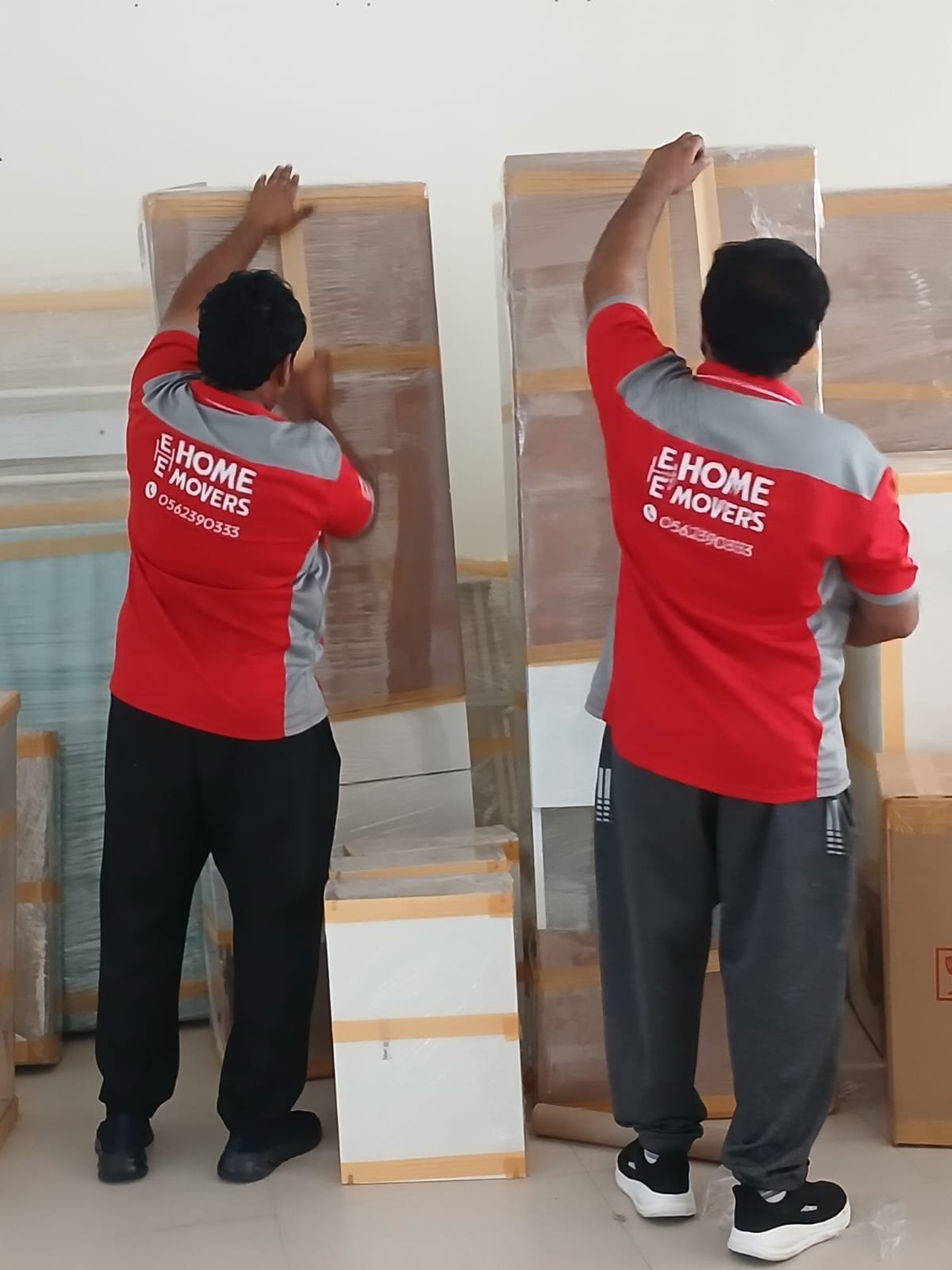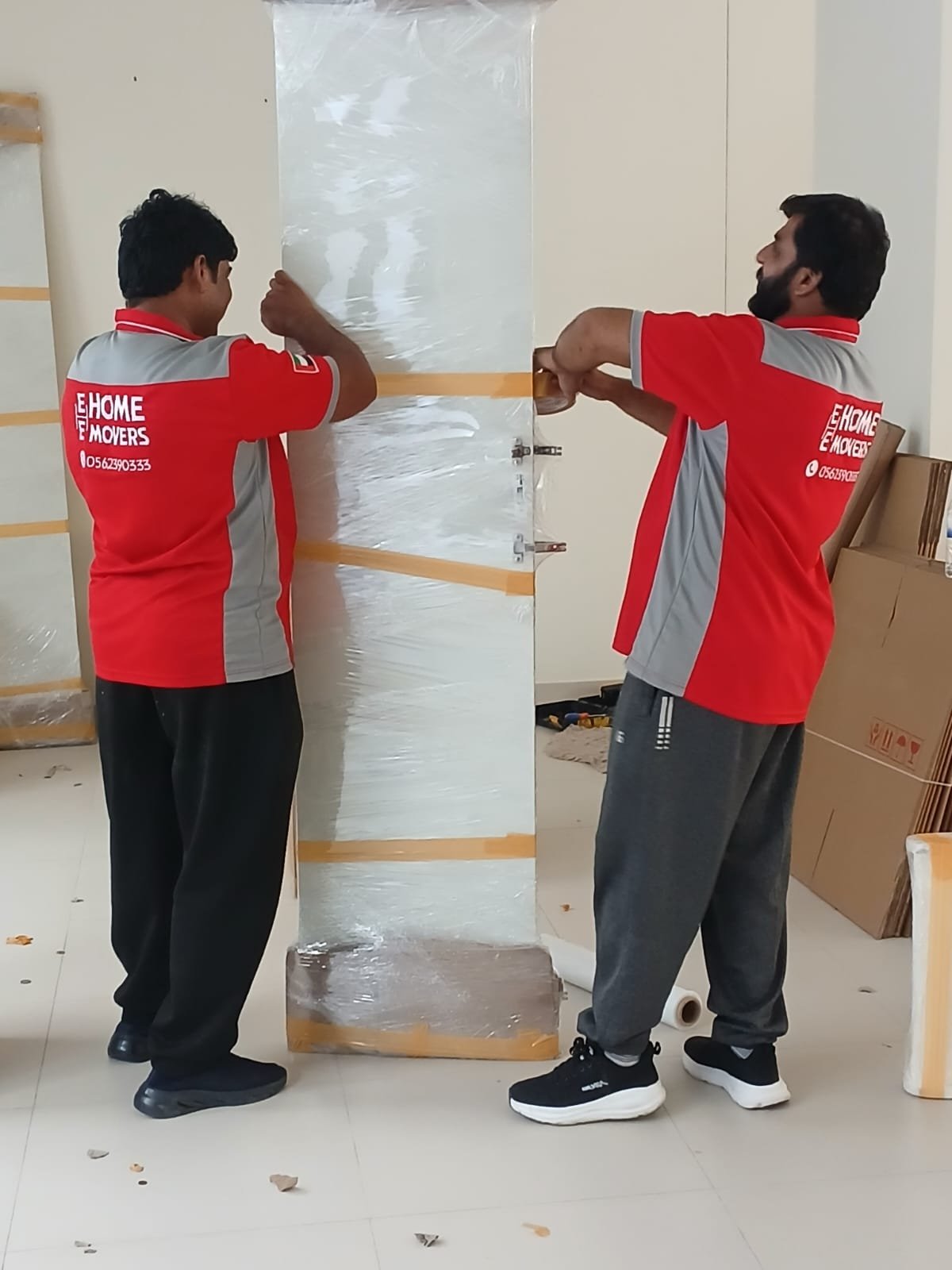
Hiring "a moving company" for a business relocation isn't quite the same as hiring one for a house. Here's what actually separates a commercial moving team from a standard residential crew, and why that difference matters once your business is on the line.
Commercial movers are built to work around a business rather than a household: larger, better-coordinated crews, experience handling office and IT equipment, scheduling that respects working hours, and familiarity with building access rules that residential moves rarely encounter.
A residential crew that occasionally takes on an office job can still get boxes from A to B, but a dedicated commercial moving company in Dubai plans for the parts a house move never has to consider, like keeping a business running while the move happens around it.
The differences aren't cosmetic. They show up in the parts of a move that are easy to underestimate until something goes wrong.
Desks and chairs are the easy part. Computers, servers, printers, and specialist machinery all need different handling, padding, and sometimes disassembly that a residential-only crew rarely practices.
A four-person team that suits an apartment isn't enough for a 50-desk office on a tight weekend window. Commercial jobs need crews sized and briefed for the specific floor plan and timeline.
Evenings, overnight slots, and weekends are the norm for commercial moves, planned specifically so staff arrive Monday morning to a working office rather than a half-finished one.
Downtime is the real cost of a poorly planned commercial move, not the boxes themselves. A few practices make the difference between a smooth weekend and a disrupted week.
Commercial buildings in Dubai typically require a move-in and move-out permit, a booked freight elevator or loading dock slot, and coordination with facilities management, none of which a residential move usually has to arrange.
Larger commercial vehicles also fall under restricted road timings for commercial vehicles on certain routes across the city, so an experienced commercial mover builds transport windows around these rules rather than discovering them on moving day.
If your relocation touches a data room or server rack, decommissioning is its own specialty, and it's worth reviewing our server room relocation guide before locking in a moving date.
"Commercial move" is a broad label, and the right approach shifts depending on what kind of business is relocating.
The most common type, focused on desks, IT equipment, filing systems, and getting staff productive again as quickly as possible, usually over a single weekend.
Fixtures, display units, and stock all need careful sequencing so a new location can open with minimal lost trading days, similar to what's involved in a retail outlet move in Dubai, where visual merchandising has to go back together exactly as customers expect it.
Bulk inventory, pallet racking, and heavier equipment call for different vehicles, lifting gear, and handling experience than a typical office fit-out, plus a clear plan for keeping stock organized and traceable during the move.
From single-office relocations to multi-floor moves, we build the schedule around your business hours, not the other way around.
What separates commercial movers from residential ones comes down to scale and planning: bigger, better-briefed crews, real experience with office and IT equipment, scheduling built around business hours rather than personal convenience, and familiarity with the building permits and road rules that come with moving a company rather than a household.
If you're planning a business relocation and want a team that has done this before, planning an office relocation in Dubai the right way starts well before moving weekend, and getting the sequencing right from the outset is what keeps downtime to a minimum.